
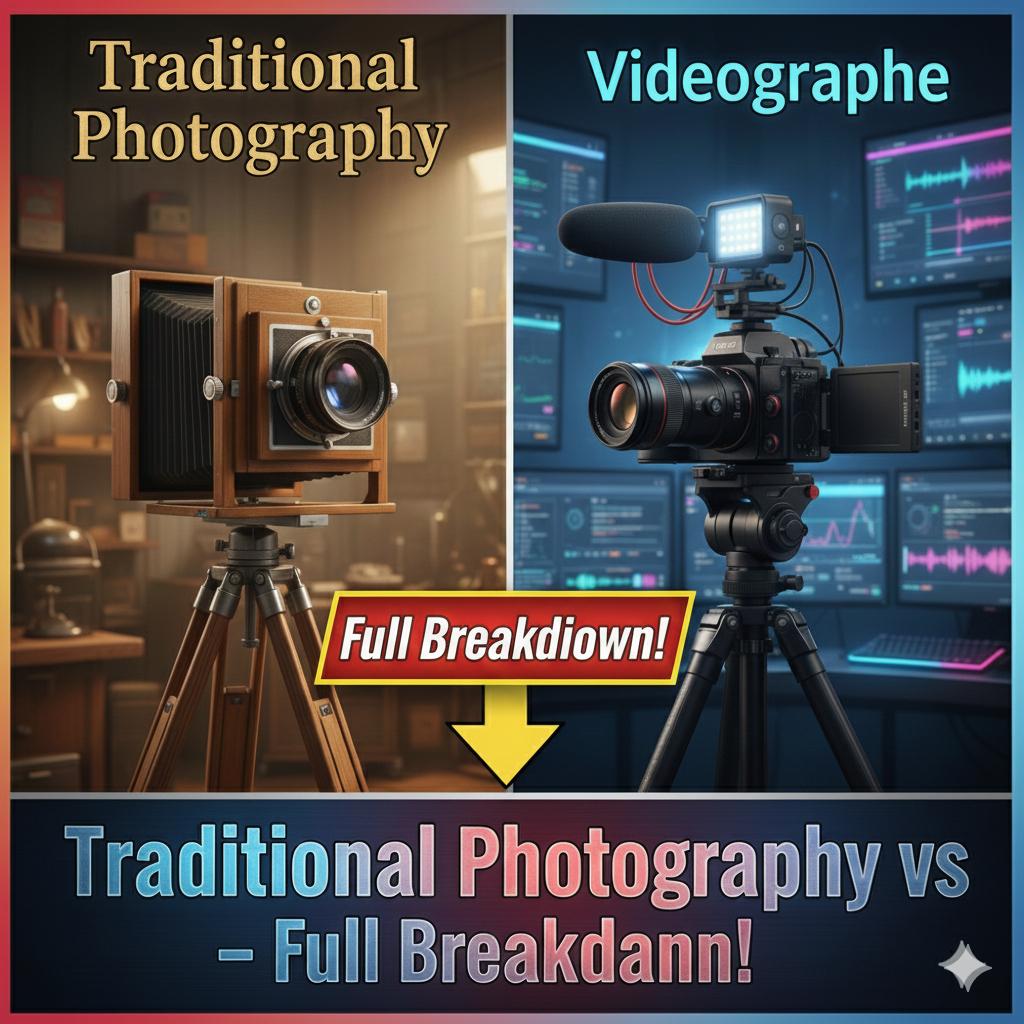
Traditional Photography and Traditional Videography: A Complete Guide
Traditional Photography and Videography: Where We Have Come From and Where We Are Going
Traditional Photography and Videography have been the predominant forms of coverage of events, like weddings or parties, for years. Even today, both mediums continue to be the popular choice of most couples. Traditional Photography and Videography are popular, largely, for their simplicity, clarity, and timelessness. Unlike modern-style cinematic productions, many couples still favour these traditional styles simply due to the way they represent the most sincere and real aspects of the couple’s emotions.
In this article, we will look at what Traditional Photography and Videography are, how they work, their advantages and the reasons why they are both ideal styles of coverage to choose from when planning a wedding or an event.
1.What is Traditional Photography?
Traditional Photography is simply a more traditional style of photographing someone. This type of photography places emphasis on posed pictures, straight-on shooting angles, as well as ample lighting. In essence, the photographer actually ‘poses’ the subject so that the photographer can then create a beautiful photograph. Traditional Photography has a number of advantages; Examples include:
– Clear, natural-looking photographs that will last for a long time.
– Traditional Photography is straightforward; Therefore, a couple does not need to worry about editing their photographs before putting them in their wedding album or other photo collection.
The Basics of Traditional Photography
Traditional photography has been around for so long that it has become an easy process. The first step in traditional photography involves the photographer observing what is in front of them. After determining what they would like to photograph, they then determine where to place the camera and how much light will illuminate the subject. Then, the photographer will take one shot, typically in quick succession, and then begin taking additional pictures, if necessary, so as not to miss an important moment.
Typically, DSLR and Mirrorless Cameras are the most popular cameras among traditional photographers because they provide excellent colour accuracy and high-quality image resolution. Additionally, Traditional Photographers usually take more than one photograph in order to reduce the likelihood of missing any important moments during an Event.
2. What is the Definition of Traditional Videography?
Traditional Videography involves the recording of an entire event, from start to finish, in chronological order (ie; as it occurred). These videos do not contain dramatic editing or movie-like transitions between different sequences. They are more natural, do not have artificial sound effects, and document all of the actual activities/traditions/celebrations/etc. that took place during the event.
So, for those of you who wish to have complete representation of what occurred at an event, these types of videos will contain the recordings of every time someone gave a speech, every time a ritual was performed, and every part of the ceremony at an event.
Understanding How Traditional Videography Works
Videographers, in general, use either standard camcorder video recording equipment or DSLR camera video recording equipment to capture video footage of an event. As with traditional photographers, Videographers typically shoot from one angle for the duration of the event, and will follow the subject from the beginning to the end (the Video is Created). Traditional Videographers do not cut their videos into small segments, and therefore, most will have a longer video than a typical movie or documentary. Traditional Videos work very well for all types of events, especially Weddings, Birthdays, Cultural Festivals, etc.
The ability of editors to utilize an unedited video to create a new product is straightforward. An editor assembles a video without any edits by adding the video itself with a music track and maybe some basic transitions. This would leave you with a complete clean cut video that you could watch as a family for years.
The Advantages of Traditional Photography/Videography versus Cinematic
Traditional forms of video and photography are still very viable forms of capturing this important moment in life. There are several advantages to this.
1. Capturing Images in Their Entirety
Using a traditional approach gives you a complete record of all from the moment you started through to the end of your wedding ceremony.
2. Realistic and Accurate Depictions
A traditional photo and video ultimately represent reality. Both traditional photography and videography demonstrate the true colours and natural light of the event.
3. Economically Priced
In general, traditional photography or videography will be less expensive than the typical style of cinemascope. This allows for very high-quality work at a lower price.
4. Quicker Turn-Around Time
Since there is less advance planning and video editing takes less time than cinema-style work, the turn-around time will be shorter with this style.
5. Family-Centric
The photograph or video produced in a traditional manner tends to resonate with families because it provides complete coverage of the rituals and images captured by a wedding or engagement, as well as being great for memorializing anniversaries.
Traditional photography captures more people and details than other types of photography. When you want everything captured, you should go with traditional photography. However, if you are looking for something more dramatic and focused on certain people or events, you might want to consider cinematic styles of photography.
In deciding which of these two photography options to use, you should consider your own preferences, along with your financial situation. Some people may even choose to use both methods of photographing.
3.Historic popularity of Traditional Photography
While many new technologies continue to evolve in this world, traditional photography is still a popular choice for many consumers. Many consumers feel that traditional photography offers them a simple way to capture memories for future use. The results of traditional wedding photos and videos are always clear and timeless. Therefore, they will be cherished as a great family keepsake.
Additionally, traditional photography is targeted toward all age groups. Older family members will usually appreciate this method because it clearly captures all of the moments that they would like to remember; while younger family members will appreciate the affordability of traditional photography as well as the ease with which they can share their photos and videos with friends and family.
Conclusion
Both traditional photography and video are an enduring and dependable means for capturing a life event. They portray life as it truly is. If you are planning any type of life event such as a wedding, birthday, or cultural celebration, traditional photography will capture all of your important moments for eternity. If you would like to take full advantage of the available coverage and produce natural results, traditional photography is the way to go.